Magnetic Radiator Flushing Machine
Magnetic, heated, bi-directional, and compressor-driven radiator flushing machines for central heating radiators, combi boilers, and pipework, plus chemicals and spare parts.
Subcategories
- Magnetic Filter (3)
Products (32)
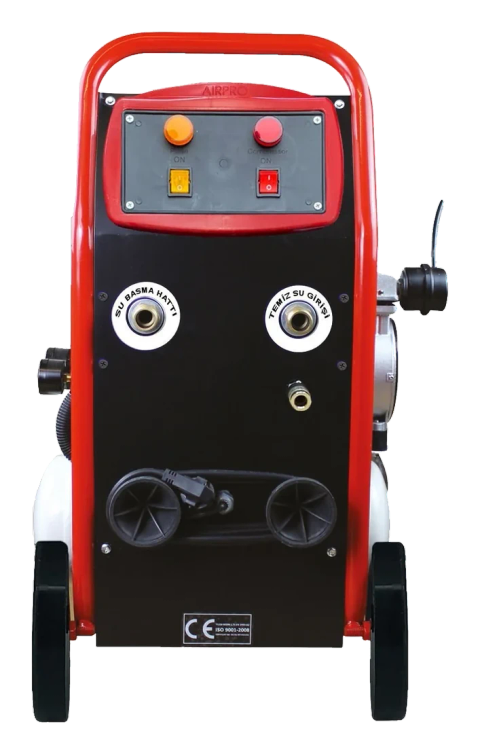 AirPro-1 Air-Pulse Compressor Radiator Flushing Machine, Unidirectional – $505.89
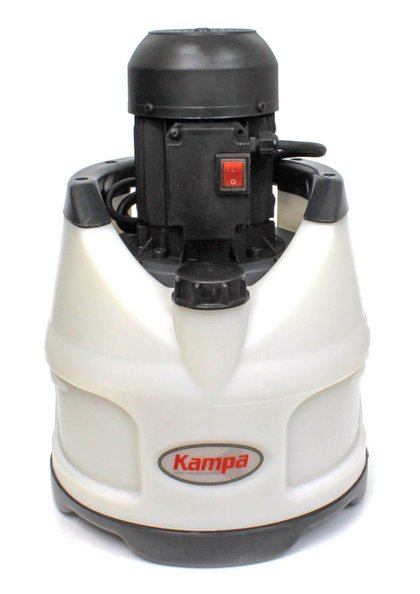 DC 1-15 Radiator Flushing Machine, One-Way, for Combi Boilers, Plumbing, Heat Exchangers, Car Radiators – $446.19
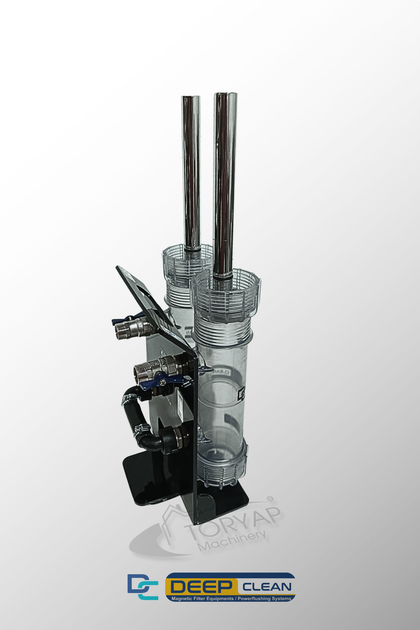 Dual Magnetic Filter Radiator Flushing Machine, Transparent – $526.97
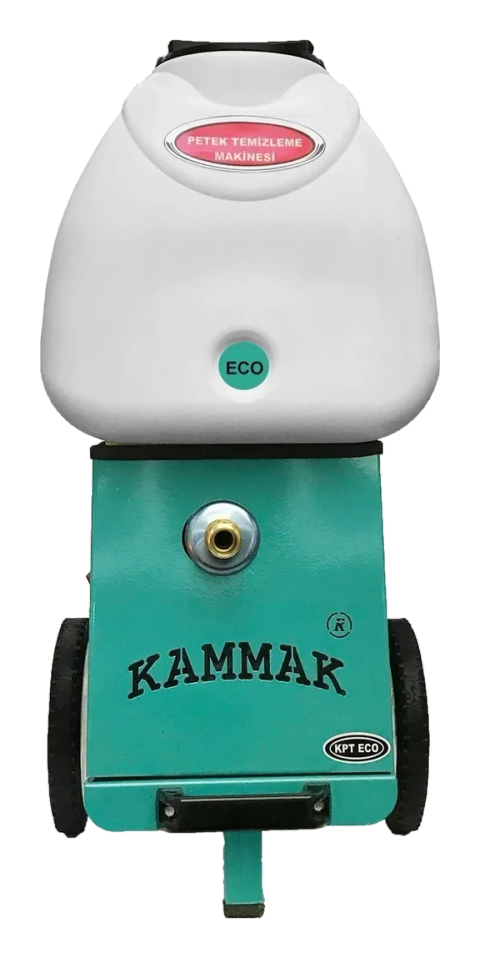 Kammak KPT-ECO Radiator Flushing Machine, 0.50 Hp – $294.51
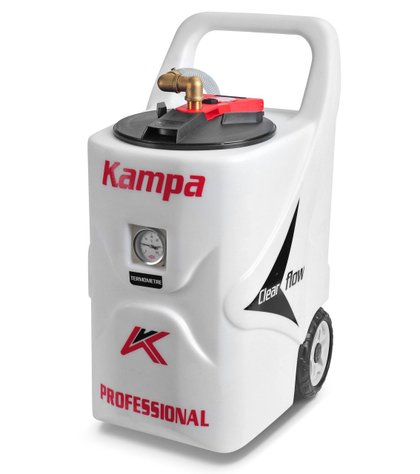 Pro-1 Radiator Flushing Machine, Combi Boiler, Plumbing and Radiator Cleaning Machine – $560.26
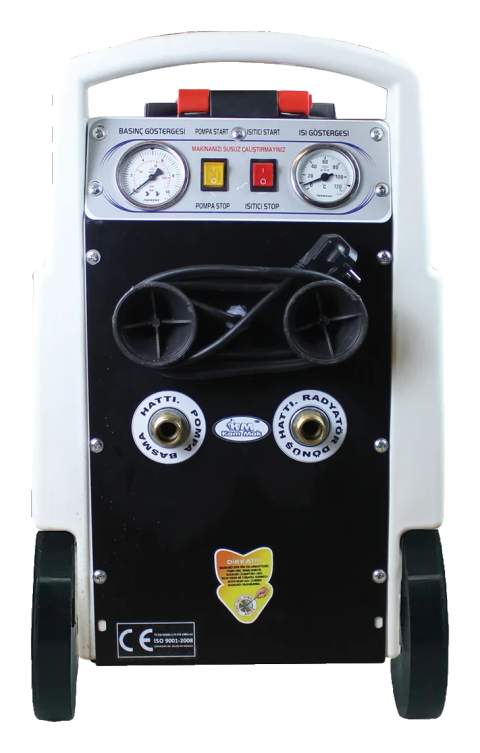 Prof-06 Radiator Flushing Machine with Heater – $447.17
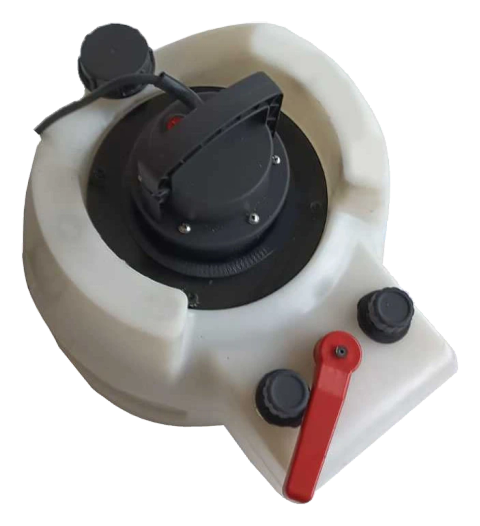 TM-02 Radiator, Combi Boiler, Heat Exchanger System Cleaning Machine, Bidirectional – $326.61
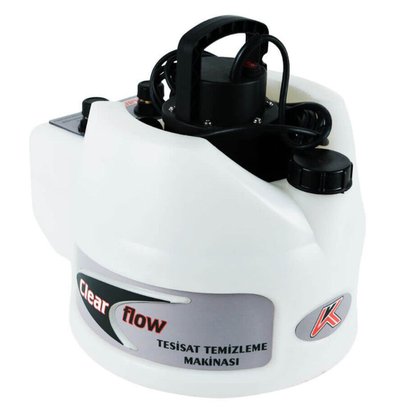 V-Flow-1 Combi Boiler Radiator Flushing Machine – $312.71
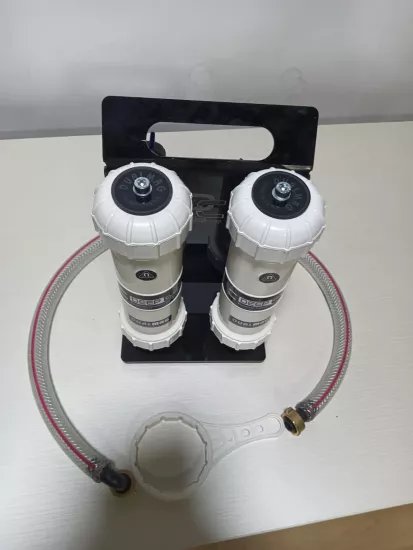 Magnetic Filter Radiator Cleaning Kit, Transparent and White – $650.43
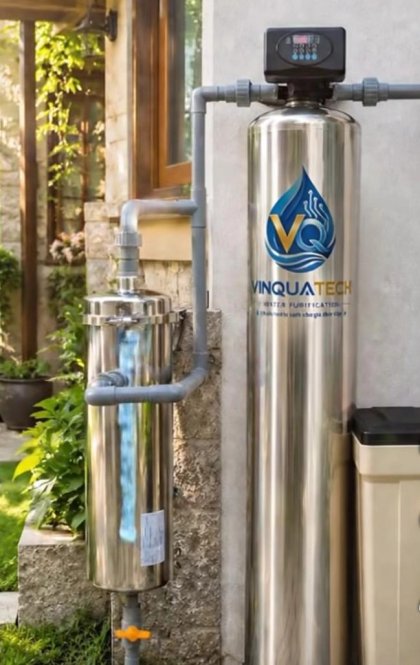 Nano Water Filter, 1 Inch – $195.73
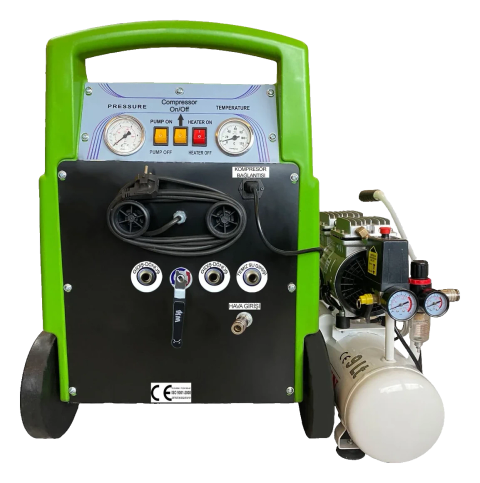 PROMAX SHAKE Bidirectional Air-Circulation Radiator Flushing Machine (Brass Valve) – $1,112.66
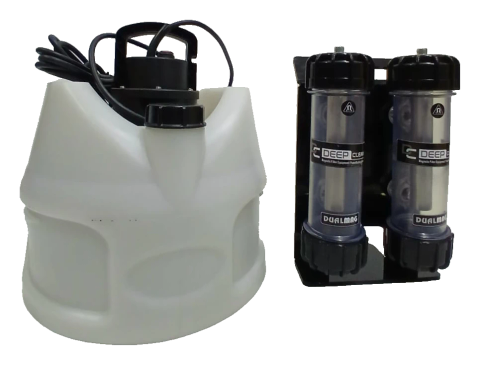 Radiator Flushing Machine with Magnetic Kit and 15 L Integrated Tank – $1,114.17
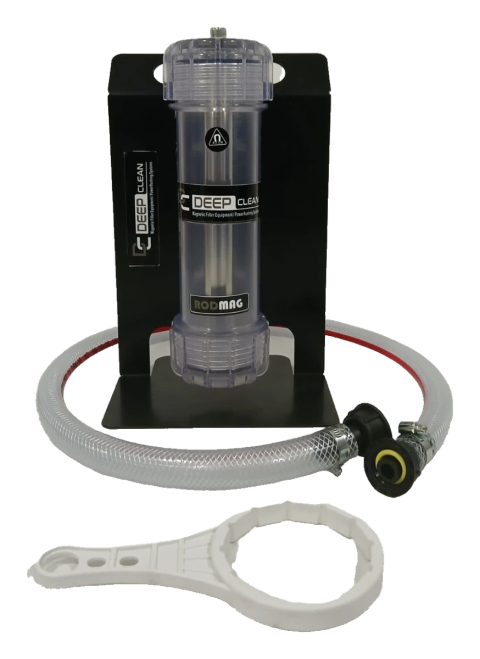 Single Magnetic Radiator Flushing Kit – $434.32
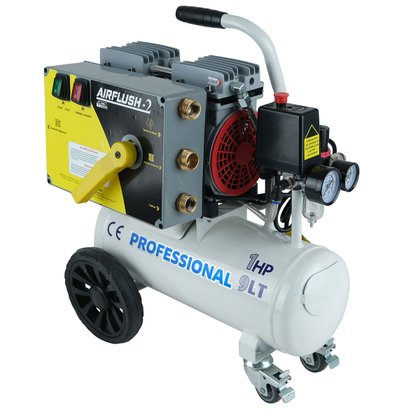 Airflush-2 Compressor-Powered Bidirectional Radiator Flushing Machine, 9 L, Air-Impulse – $745.56
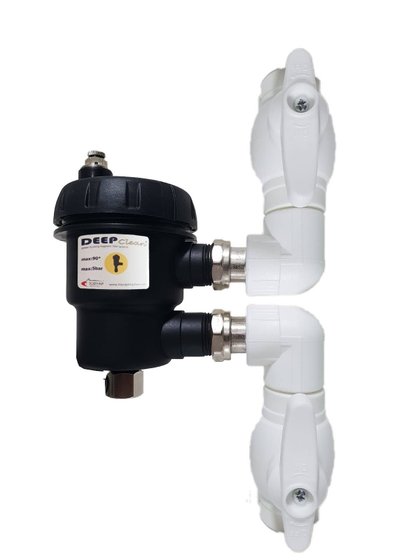 DC ECO 3/4″ Magnetic Filter – $78.76
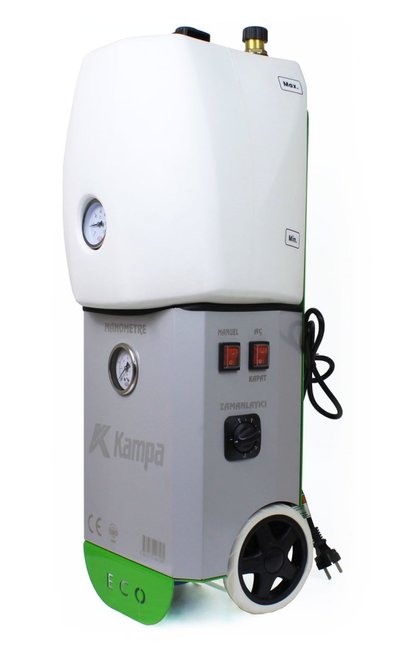 Eco Radiator, Combi Boiler, Plumbing & Auto Radiator Flushing Machine – $325.48
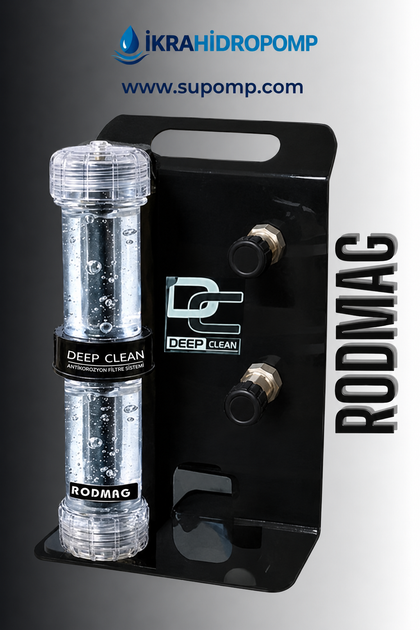 Magnetic Filtered Plumbing, Boiler and Radiator Cleaning Kit, 50 cm – $507.30
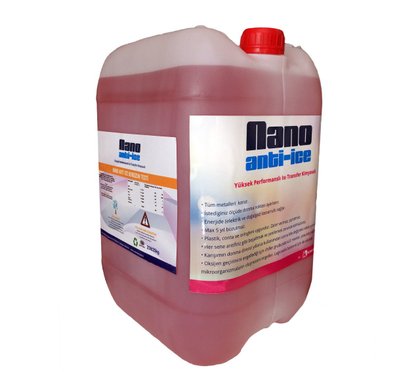 Nano Anti-Ice Corrosion and Freeze Inhibitor, Plumbing Antifreeze, 25 kg – $227.00
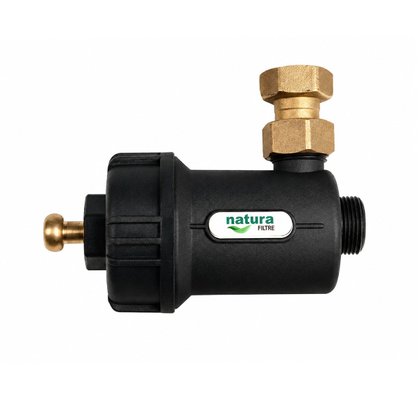 Natura Filtre Magnetic Sediment Filter for Combi Boilers, 3/4" – $57.91
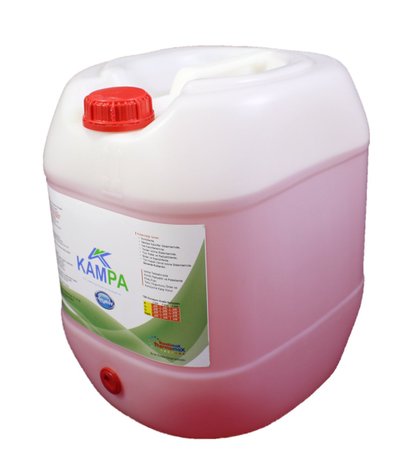 Radiator Flushing Chemical, 30 kg – $122.77
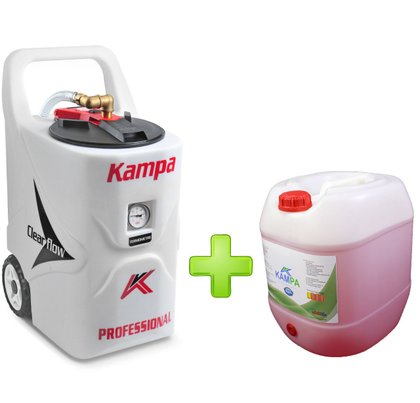 Radiator Flushing Machine Pro-2 with Heating Element + 30 kg Chemical – $725.02
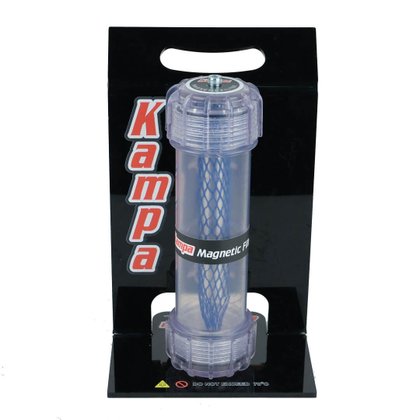 Single Magnetic Filter for Limescale, Sediment and Metal Particles – $301.13
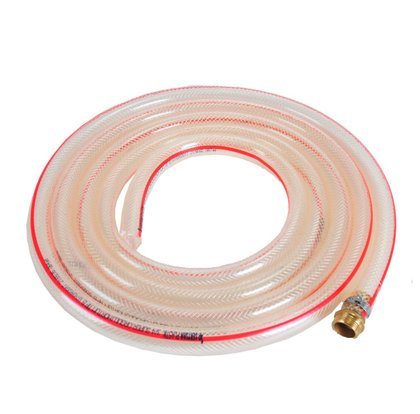 3 m Drain Hose – Request a quote (out of stock)
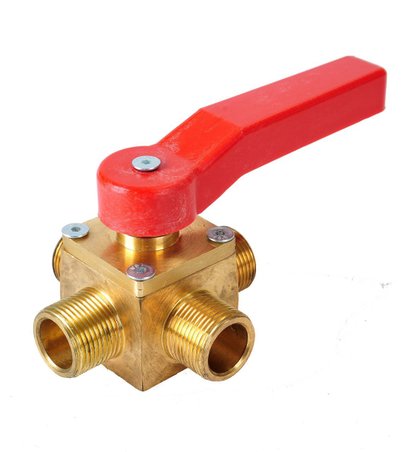 4-Way Backwash Valve – Radiator Flushing Machine Bidirectional Valve – Request a quote (out of stock)
Brands: Supomp · Natura Filtre
Why is radiator flushing necessary?
Over time, corrosion by-products, limescale, and sludge accumulate in central heating systems. This sediment collects mainly at the bottom of radiators, slowing water circulation; the top of the radiator heats up while the bottom stays cold, the combi boiler runs longer, and energy consumption rises. Sediment can also damage the boiler's heat exchanger and pump. Radiator flushing machines clean this sediment through chemical and mechanical action without dismantling the system, restoring its efficiency.
Machine types
- Radiator flushing machines: Devices consisting of a pump and tank that clean with single- or bi-directional flow.
- Heated (element) models: Heat the cleaning water to enhance the effectiveness of the chemical.
- Magnetic-lock models: Trap metal particles carried by the water in a magnetic filter.
- Compressor-driven machines: Use compressed-air pulses to dislodge stubborn sediment.
- Magnetic filters: Permanently installed filters fitted after flushing to protect the system.
Liquids used during flushing are found under radiator flushing chemicals, and consumables and spare parts are under spare parts.
How is radiator flushing performed?
The machine is typically connected with hoses to the boiler's flow and return lines, or to one radiator's connections. Water and the appropriate cleaning chemical are added to the tank; the machine circulates this solution through the system for a set period. On bi-directional models, the flow direction is reversed periodically to dislodge sediment from both directions. After flushing, the system is thoroughly rinsed with clean water, a protective chemical is added if required, and the system is bled.
Frequently asked questions
How often should radiators be flushed?
This varies depending on the age of the system and water quality; uneven heating across radiators and increased boiler noise may indicate that flushing is due.
Can underfloor heating also be flushed?
Yes; compressor-driven and bi-directional machines in particular are used for flushing underfloor heating circuits.
What should be done after flushing?
The system should be thoroughly rinsed, a protective chemical added, and the combi boiler pressure adjusted.
Can the chemical damage the boiler?
It is important to use chemicals specified as compatible with the boiler and system materials, at the recommended concentrations.
Which model is suitable for professional use?
For frequent use, heated and bi-directional models save time.
How will I know the flushing has worked?
After flushing, the temperature difference between the top and bottom of the radiators decreases, the boiler runs for shorter periods, and flow noise from the pipework noticeably reduces.